
European Spine Phantom (ESP)

Micro-CT Bar Pattern Phantoms
Coronary Artery Stenosis Phantoms

Spectral CT Phantom
Multi-Energy QA Phantom
NOMEX Multimeter

Sentinel 4DCT
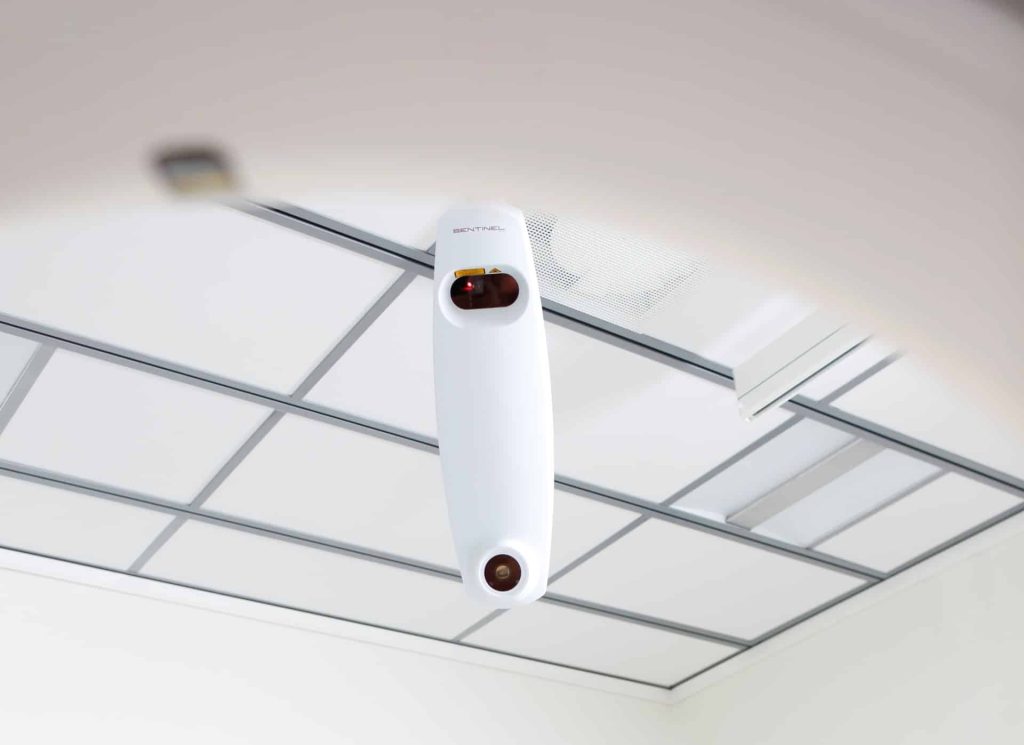
CT Simulation is increasingly becoming the standard procedure in radiation therapy. But patient breathing, as well as movements of the tumor or normal tissue can impact planning, delivery and verification. With a normal CT scan, motion may cause inaccurate target definition, in that moving targets could be in distorted shapes at the wrong location. It could also cause extra dose distribution to healthy tissue, due to dosing larger fields to cover a moving tumor.
Catalyst+ PT
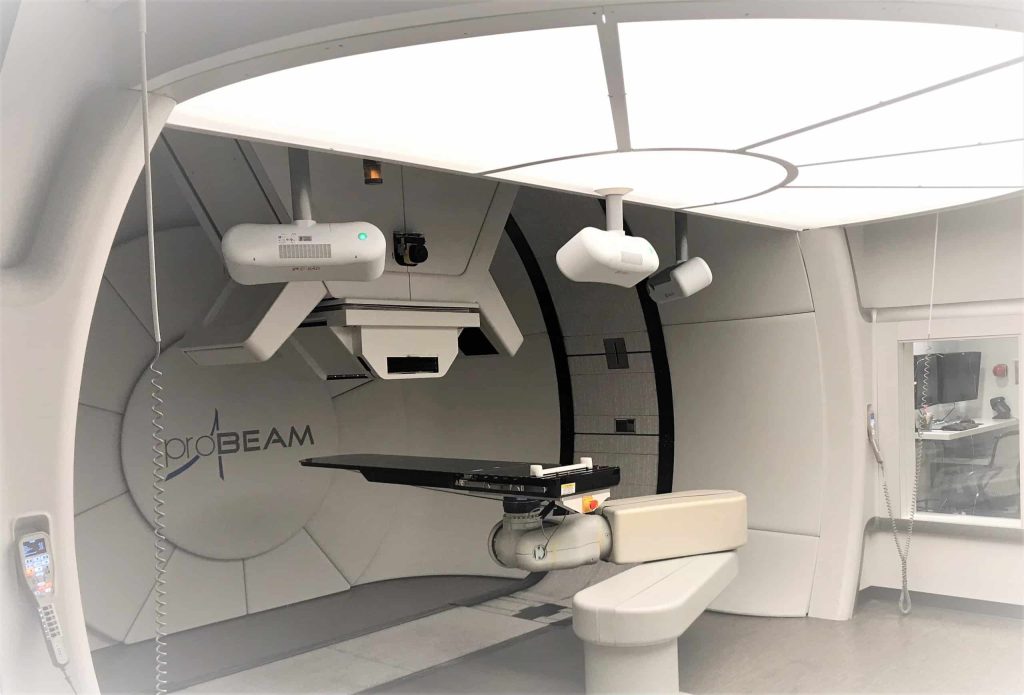
Particle therapy (PT) is currently based on the use of protons or carbon ions for the treatment of deep-seated or radio-resistant tumors, as well as recurrent cases, which are known to lead to poor prognosis or counter-indications for photon treatments. An increasing interest has recently been observed in the number of cases and types of cancers.
Catalyst+ HD Ring Gantry
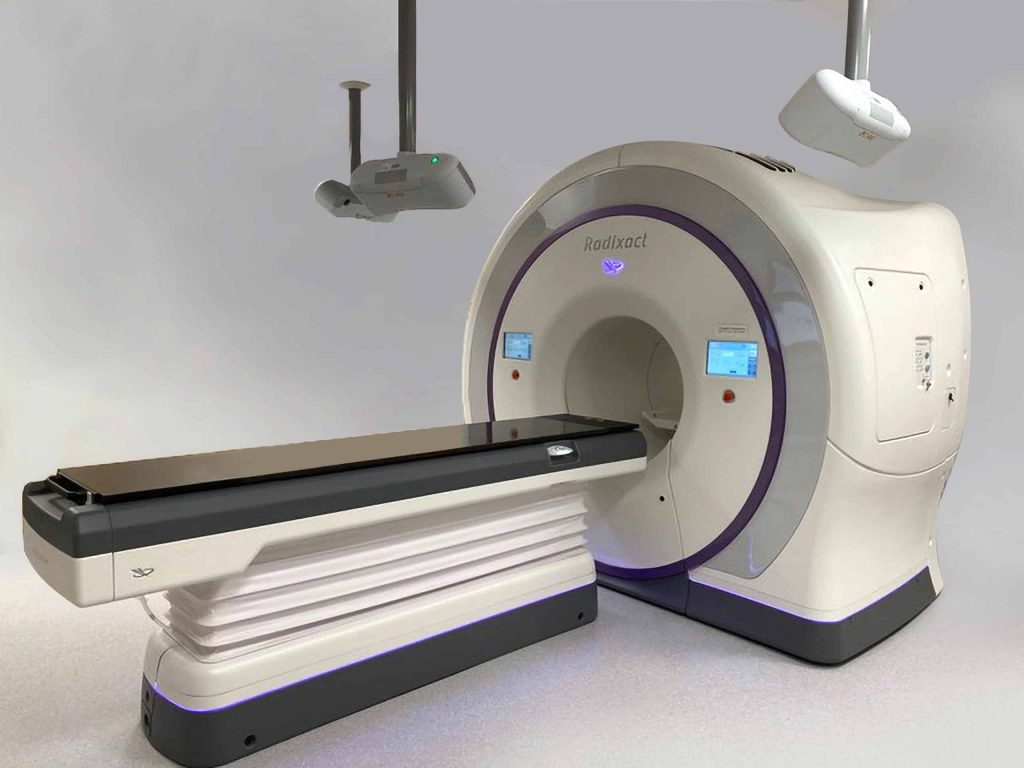
Precise positioning is the cornerstone of patient safety, avoiding unprescribed doses and contributing to favorable outcomes through highly specific targeting of the tumor. But how do you continuously hit the mark in long, complex treatments? How can this be integrated into a workflow that doesn’t waste time or compromise patient safety and treatment efficiency?
Catalyst HD

The capability of linear accelerators to deliver higher doses for SRT is increasing and it is expected that this technique will be applied more widely in clinical settings. To deliver even higher doses, new technology must be provided that is compatible with stereotactic delivery, namely high-precision patient positioning and intra-fraction motion management.